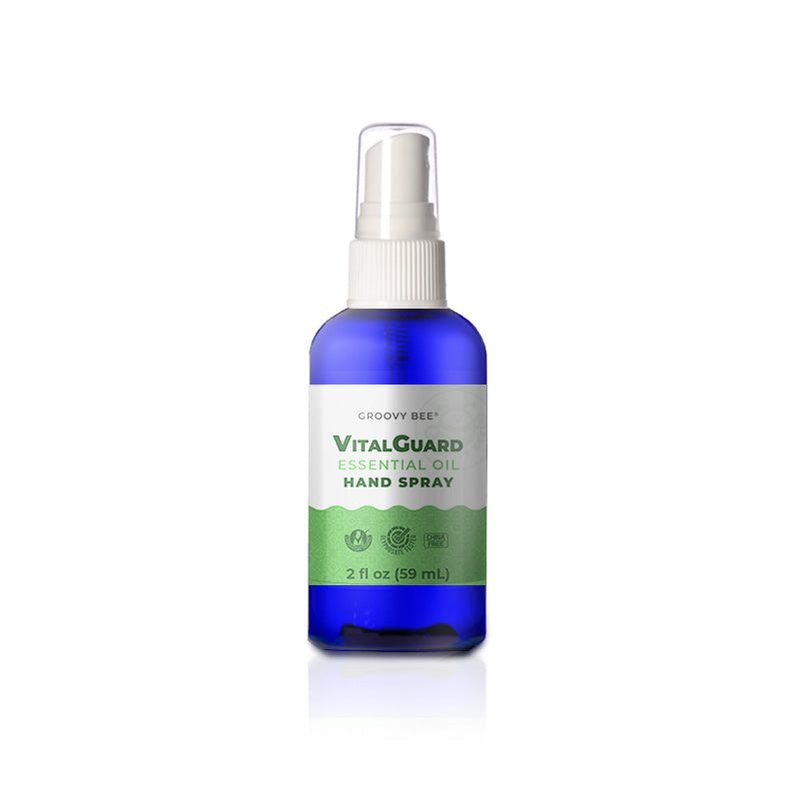
What Essential Oils Are
Essential oils come from plant stems, roots, and leaves, and fresh herbs contain these oils as part of their makeup.[1][2] Essential oils contain sulfur compounds, and they also contain oxygen molecules that help transport nutrients to cells.[3][4] The finest essential oils come from wild or organically grown plants that are chemical-free, according to the source.[5] Essential oils are used in cooking, and tropical almond essential oils are also used in cooking.[6][7] One source states that essential oils should never be used in cooking or baking, which stands in contrast to the sources describing their culinary use.[8] These statements about origin, composition, and kitchen use describe the oils themselves rather than any single preparation.[1][6][2]
What Alcohol Contains
Alcohol contains calories, and it also contains sugar, according to the facts provided.[9][10] Alcohol does not contain proteins necessary for basic bodily functions, and it contains no vitamins, minerals, or other nutrients.[11][12] Alcohol is described as a diuretic, and it is also described as a sedative.[13][14] These facts describe what alcohol contains and what it lacks, along with two of its described properties.[13][14][11] The sources do not describe how alcohol is made or used in the kitchen, so these notes are limited to its composition and its listed properties.[9][10][12]
Sources and Composition
The essential oils described here are drawn from plant stems, roots, and leaves, and fresh herbs are listed as a source of these oils.[1][2] Sulfur compounds and oxygen molecules are both listed among the contents of essential oils.[3][4] The source describing the finest essential oils ties quality to wild or organically grown plants that are chemical-free.[5] Cooking use is recorded for essential oils generally and for tropical almond essential oils specifically.[6][7] A separate source advises that essential oils should never be used in cooking or baking, so the facts on culinary use do not all agree.[8] Alcohol, by contrast, is described in terms of calories, sugar, and the absence of proteins, vitamins, minerals, and other nutrients.[9][10][11][12] It is also described as a diuretic and as a sedative.[13][14]