BrightKB
A 36 oz mini bucket of Health Ranger Select organic wheat-free macaroni and cheese with no
Meals

30 Days Food Supply (1 Adult) - The Health Ranger's Organic Wheat-Free Macaroni & Cheese with NO Added Salt (Mini-Bucket) 36 oz (1020 g) (15-Buckets)

A 36 oz mini bucket of organic wheat-free macaroni and cheese with no added salt. The pasta is made from quinoa, rice and amaranth, and the cheese sauce powder blends white cheddar, heavy cream, butter, whey protein, onion and black pepper.

By Health Ranger Select · sold at the Health Ranger Store

Go Directly to Store

Opens this product’s page at HealthRangerStore.com, where you will find the current price, sizes, the full label and availability.

About Organic Wheat-Free Macaroni & Cheese

This is a 36 oz (1020 g) mini bucket of Health Ranger Select Organic Wheat-Free Macaroni & Cheese with no added salt. The store lists it under Meals. Each food component is packed in vacuum-sealed bags for freshness and placed in the bucket for long-term storage. Keep the bucket in a dark, cool, low-humidity location and it will last for an extended duration.

The pasta is organic quinoa pasta elbows made from organic quinoa, organic rice and organic amaranth. Quinoa is a pseudo-cereal that naturally contains no gluten and has a low glycemic index. The rice and amaranth give the elbows a texture similar to wheat-based pasta. The product contains no wheat, gluten, GMOs or added salt.

The cheese sauce powder mix includes organic white cheddar powder, organic heavy cream powder, organic butter powder, organic whey protein powder, organic onion powder and organic black pepper powder. White cheddar powder has a creamy, slightly tangy flavor and contains calcium, protein, potassium, iron, vitamins A and C and other nutrients. The combined powders give the dish a rich, creamy taste.

Macaroni and cheese is a popular comfort food among Americans of all ages. Most commercially available macaroni and cheese products on grocery store shelves are full of unhealthy fats, added salts and calories. This version is made without added salt and without wheat.

At a glance

  • BrandHealth Ranger Select
  • FormDry pasta and cheese powder in a bucket
  • Size36 oz (1020 g)
  • PackagingVacuum-sealed bags in a mini bucket
  • Free FromWheat, gluten, GMOs, added salt
  • StorageDark, cool, low-humidity location

What BrightKB’s sources say about Macaroni and cheese

The notes below were drawn from BrightKB, a free knowledge base of facts extracted from books, articles and papers. They describe the ingredients in general, not this product in particular, and each one is traced to the source it came from.

What macaroni is

Macaroni is a variety of pasta, and it is also described as a type of pasta product.[1][2] These two facts together place macaroni within the broader family of pasta foods, and they are the only facts given here about what macaroni is or how it is made.[1][2] No fact in this set describes the shape, color, texture, or cooking method of macaroni, so those details are not stated here.[1][2] One further fact mentions macaroni alongside a no-cheese preparation that contains tahini, which is a sesame paste.[3] That fact links macaroni to a dish in which tahini appears, but it says nothing more about the macaroni itself.[3]

What cheese is

Cheese is a food, and it is a dairy product made from milk.[4][5][6] Because it is made from milk, cheese belongs to the dairy group of foods, and the facts describe it in exactly those terms.[5][6] Cheese contains fat, and all types of cheese contain D-methionine.[7][8] Cheese can contain phenylethylamine, and some forms of cheese contain glutamine.[9][10] These statements about fat, D-methionine, phenylethylamine, and glutamine are the only composition facts given here for cheese.[7][8][9][10] The facts do not say how much of any of these substances cheese contains, and they do not describe how cheese is made beyond its starting material of milk.[6][7][8][9][10]

Cheese made at home

The Kingsolver family made cheese as part of their year of eating locally grown food.[11] This is the only fact in the set that describes cheese being made, and it places that making within a household effort to eat food grown locally.[11] The facts do not describe the equipment, the recipe, or the steps the family used when making cheese.[11] They also do not say which variety of cheese the family made or how the cheese was served.[11] What the facts do establish is that cheese, a dairy product made from milk, was made by this family during that year.[6][11] Macaroni, described as a variety and a type of pasta product, appears in the facts only in connection with a no-cheese preparation containing tahini.[1][2][3]
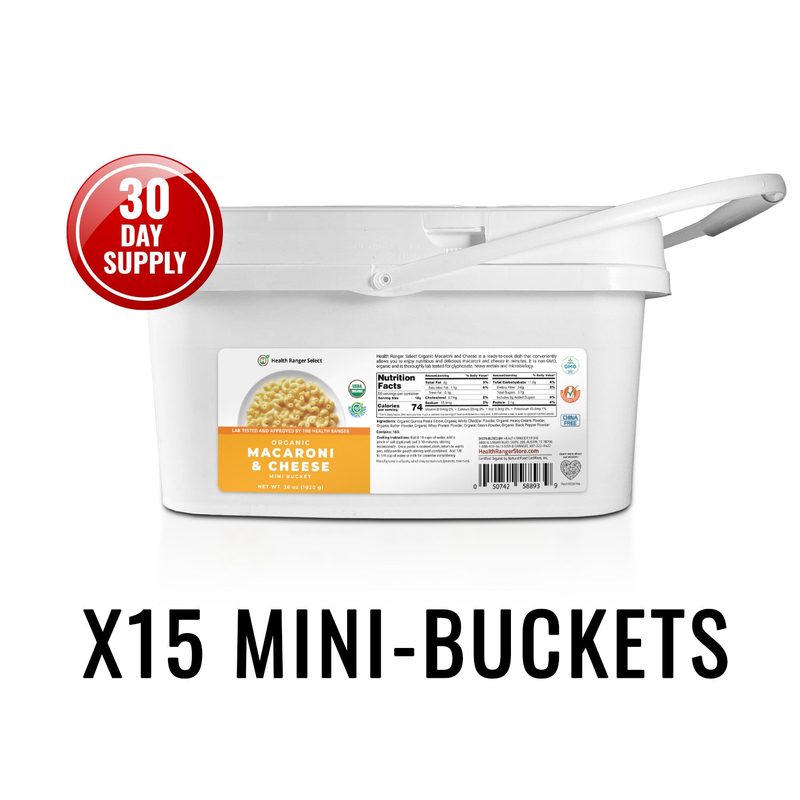
See Organic Wheat-Free Macaroni & Cheese in the store

The current price, the sizes and the full ingredient label are on the product’s own page.

Go Directly to Store