What It Is and Contains
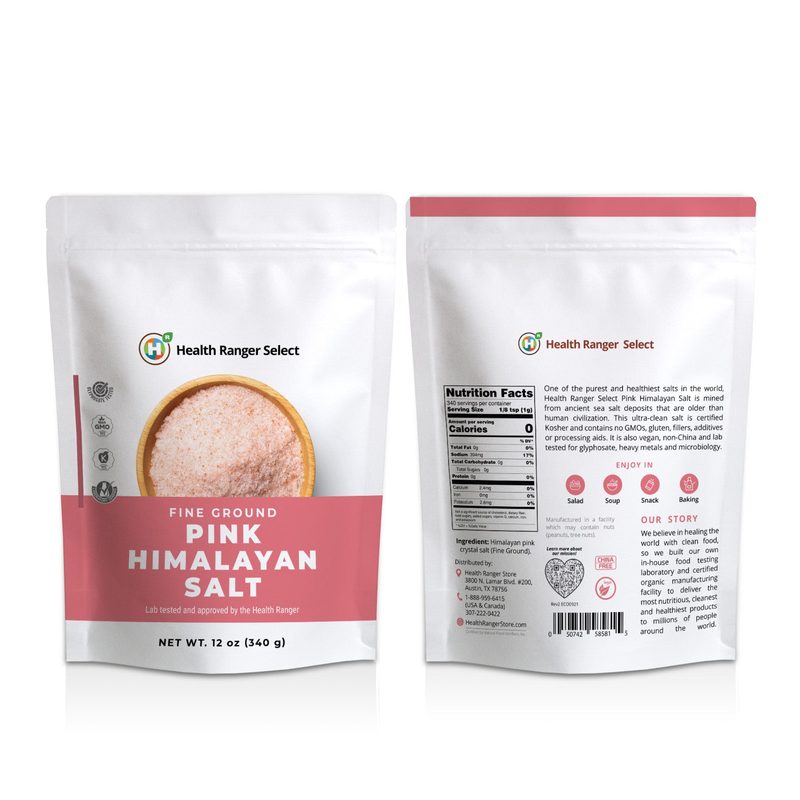
Pink Himalayan salt contains trace minerals, and it can contain up to 84 different beneficial trace minerals.[1][2] It contains more than 84 trace minerals, including potassium, calcium, magnesium, iodine, iron, and zinc.[3] Pink Himalayan salt contains potassium, and it contains all essential electrolytes.[4][5] Pink Himalayan salt contains up to 98 percent sodium chloride, which means the remainder is made up of other substances.[6] Himalayan pink salt contains no gluten, and it does not contain harsh chemicals used in table salt processing.[7][8] The trace minerals it contains include potassium, calcium, magnesium, iodine, iron, and zinc, and these are part of what sets it apart from table salt.[3][8]
How It Is Used
Fine ground pink Himalayan salt is best used for enhancing the flavor of already cooked dishes.[9] Because it is fine ground, it can be sprinkled over food after cooking rather than during preparation.[9] Pink Himalayan salt contains all essential electrolytes, and it contains potassium along with the other trace minerals listed.[5][4][3] Himalayan pink salt contains no harsh chemicals used in table salt processing, and it contains no gluten.[8][7] It contains up to 98 percent sodium chloride, with the remaining percentage coming from the trace minerals it contains.[6][1] Organic mashed potatoes contain pink Himalayan salt, which shows one way the salt is used in cooking.[10] The salt contains more than 84 trace minerals, including potassium, calcium, magnesium, iodine, iron, and zinc, and it contains all essential electrolytes.[3][5]