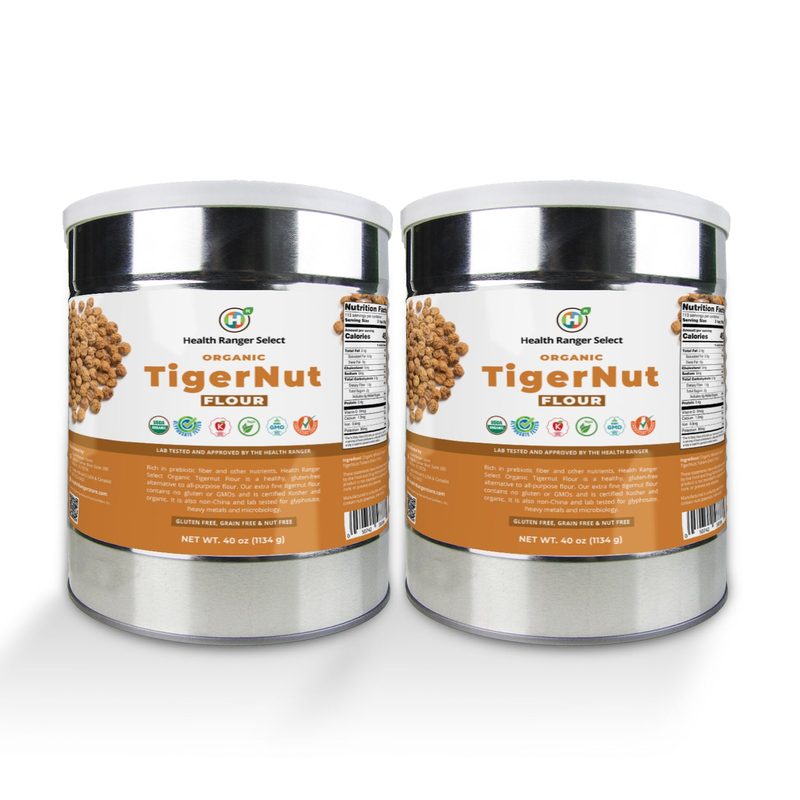
What tigernut flour is
Tigernut flour is derived from small tubers, which places its source in the ground rather than in a grain field.[1] The flour is grain-free, so it is made without wheat, barley, rye, or other cereal grains.[2] Tigernut flour contains high levels of resistant starch, a component that is present in the flour itself.[3] Because it comes from tubers and carries no grain, tigernut flour sits apart from the flours milled from cereal crops.[1][2] The flour also brings a nutty flavor to baked goods, which is a taste the ingredient contributes during baking.[4] These qualities together describe a grain-free flour made from small tubers, containing resistant starch and adding a nutty note to what is baked with it.[4][3][1][2]
Flavor and kitchen use
When tigernut flour is used in baking, it adds a nutty flavor to the baked goods made with it.[4] This nutty flavor is a property of the flour itself, so it carries into the finished bake.[4] The flour is grain-free, which means it contains no grain among its components.[2] Tigernut flour contains high levels of resistant starch, and this is stated as a component of the flour.[3] The flour is derived from small tubers, and that is the source from which it is produced.[1] In the kitchen, the flour is therefore a grain-free option made from small tubers, bringing a nutty flavor and containing resistant starch.[4][3][1][2]