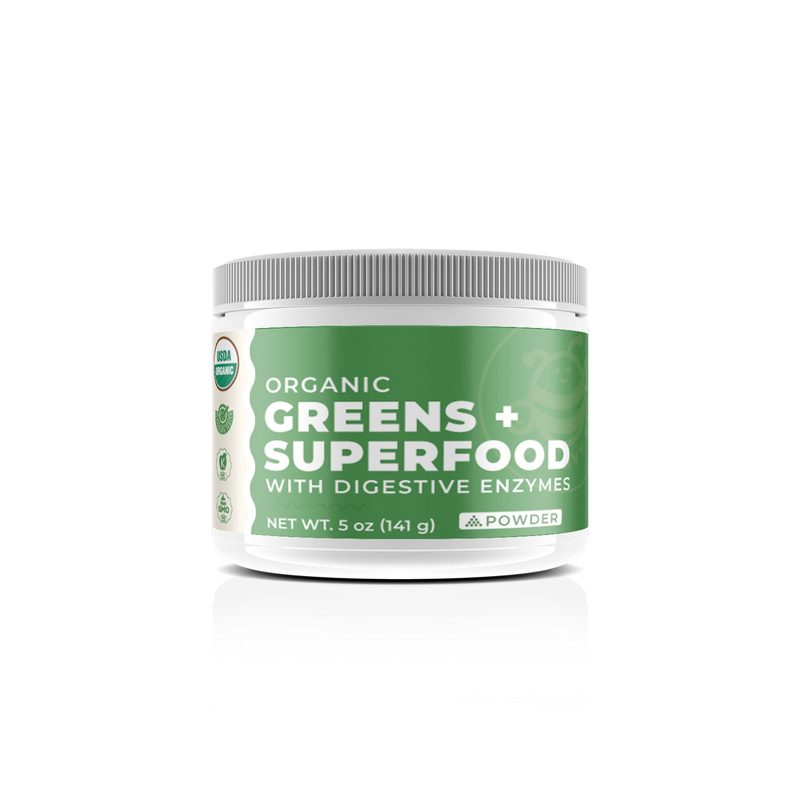
What greens contain
Greens contain nutrients, and leafy greens contain magnesium, while dandelion greens contain potassium.[1][2][3] Greens also contain calcium and phytonutrients, which are among the components present in the plants themselves.[4][5] The value of greens is heavily dependent on the soil in which they are grown, so the same plant can differ from one plot to another.[6] Greens can be grown at home, which places the growing step close to the kitchen where they are used.[7]
Greens in the kitchen
Purslane is cooked for greens and used in salads, so it appears both cooked and raw on the table.[8] Young leaves of wild radish are used in salads with cooked greens or in meat sauce, which shows greens combined with other dishes.[9] Kimchi is made from radishes and greens, a preparation in which greens are part of the mixture.[10] Green juices are made from organically grown vegetables, and one regimen includes four 8-ounce glasses of such green juices.[11] A juice made from greens is served under the name Love Greens, which is one way greens reach the glass.[12] An organic superfood blend exists in the form of Organifi Green Juice, described as an organic superfood blend.[13]
Blends and enzymes
A greens superfood blend is a blend built around greens, and greens contain nutrients, calcium, magnesium and phytonutrients.[1][4][2][5] Because the value of greens depends heavily on the soil in which they are grown, the source of the greens matters to what the blend contains.[6] Greens can be grown at home, and they are also grown for juice, as with the greens served as Love Greens juice.[7][12] Digestive enzymes are listed alongside the greens blend as a separate ingredient, and the facts describe greens in their whole, cooked, juiced and blended forms.[8][9][11][13]