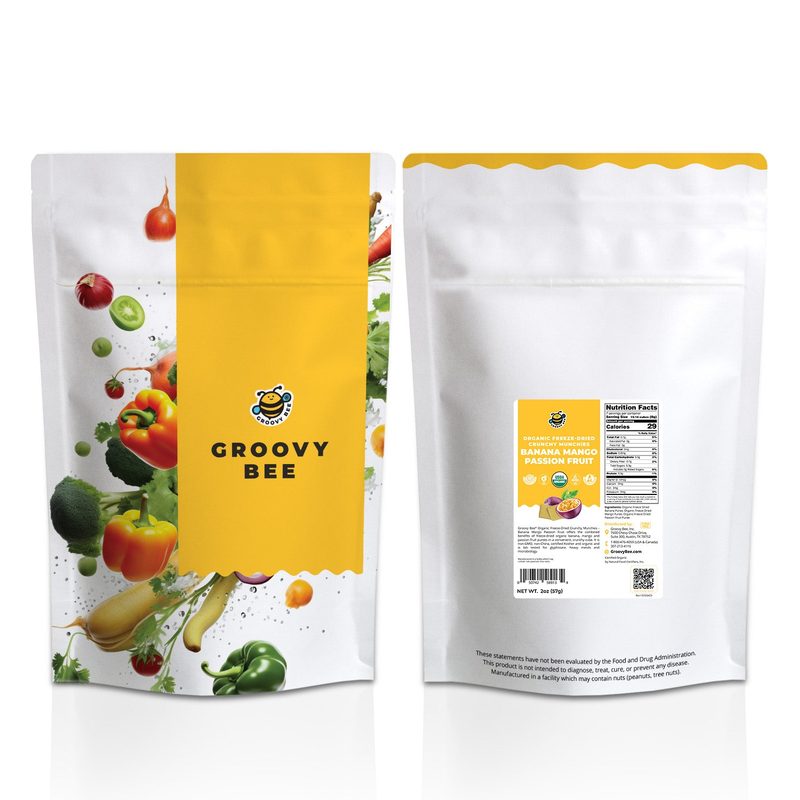
What These Fruits Are
Banana is a fruit, and it is also a food that appears in kitchens around the world.[1][2] Mango is a fruit in its own right, and it sits alongside banana and passion fruit as one of the three ingredients described here.[3] Passion fruit contains soft pulp inside its rind, and that pulp is the part of the fruit that is eaten.[4] Banana carries the least amount of pesticides when grown conventionally, compared with the other fruits in this set.[5] Mango contains the enzyme magneferin, which is one of the components found in the fruit.[6] Mango also contains vitamin A, and it contains mangiferin as well.[7][8] Passion fruit contains potassium, which is one of the elements present in the fruit.[9] Together these three fruits bring different components to the table, and each one is described by the facts gathered here.[1][3][4]
Components and Growing Notes
The facts list several components for mango, including the enzyme magneferin, vitamin A and mangiferin, all of which the fruit contains.[6][7][8] Passion fruit contains soft pulp and potassium, and both of these are named among the things the fruit contains.[4][9] Banana is noted for carrying the least amount of pesticides when it is grown conventionally, a point the facts record about the fruit.[5] Banana is a fruit and a food, and those two descriptions are the ones the facts give for it.[1][2] Mango is a fruit, and the facts describe it as such without further qualification.[3] The three fruits are grouped here because each has facts recorded about what it is and what it contains.[1][3][4] Nothing in the facts describes how these fruits are prepared or cooked, so the notes stay with what is stated about them.[2][6][9]