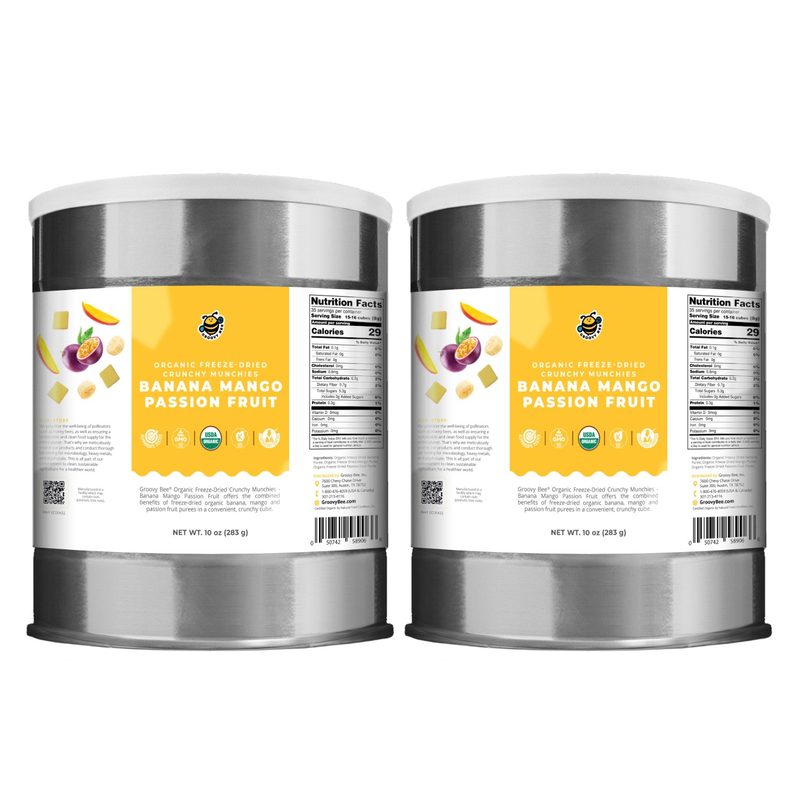
What These Fruits Are
Banana is a fruit, and it is also described as a food in the same source material.[1][2] Mango is likewise a fruit, and it is listed alongside banana as one of the fruits covered here.[3] Passion fruit is described as containing soft pulp, which is the part of the fruit that holds its contents.[4] Banana is noted for carrying the least amount of pesticides when it is grown conventionally, a point that concerns how it is cultivated rather than how it is eaten.[5] These three fruits are grouped together as fruits, and each one is described in terms of what it is or what it contains.[1][3][4]
What Mango Contains
Mango contains the enzyme magneferin, which is one of the substances named among its contents.[6] Mango also contains vitamin A, which is listed as a component of the fruit.[7] Mangiferin is another substance that mango contains, and it is named separately from the enzyme and the vitamin.[8] These three items, magneferin, vitamin A and mangiferin, are all stated to be contained in mango.[6][7][8] The facts describe mango as a fruit that contains these substances, and they do not describe amounts or effects.[3][6][7][8]
Passion Fruit and Banana
Passion fruit contains potassium, which is listed among the things the fruit contains.[9] Passion fruit also contains soft pulp, and this pulp is described as part of the fruit itself.[4] Banana is a fruit and a food, and it is noted for carrying the least amount of pesticides when grown conventionally.[1][2][5] The facts about banana concern what it is and how it is grown, and they do not describe its contents in detail.[1][2][5] Taken together, the facts present banana, mango and passion fruit as fruits, with mango and passion fruit each described by the substances and parts they contain.[1][3][6][7][8][4][9]