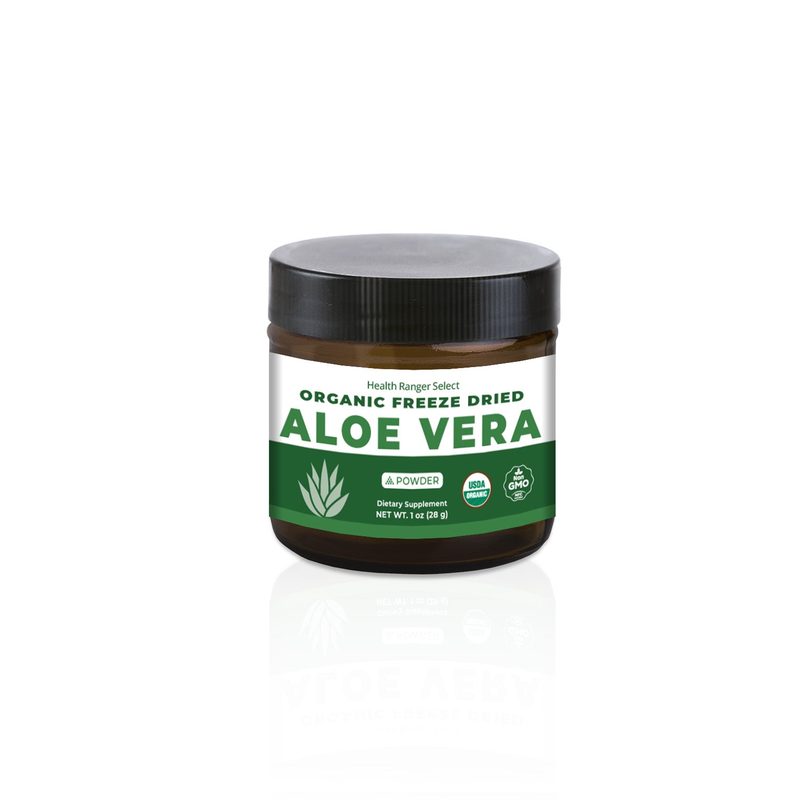
What Aloe Vera Is
Aloe vera is a plant, and it is also described as a herb.[1][2] The plant contains vitamin C, and it contains 18 amino acids as well.[3][4] Aloe vera contains more than 75 nutrients, and another source counts over 200 nutrients, including iron.[5][6] The trace mineral chromium is also among the substances the plant contains.[7] A large share of the plant is water, since aloe vera contains 99.5 percent water.[8] These statements describe the makeup of the plant itself, as reported in the listed sources.[1][5][6][8]
Where It Comes From
Aloe vera is grown mainly in Africa, according to the facts given here.[9] The plant is also grown commercially for its cathartic glycosides.[10] This means the plant is cultivated on a commercial scale, and the glycosides are the reason given for that cultivation.[10] The facts place the main growing area in Africa and describe commercial growing as well.[9][10] Nothing further about climate, soil, or harvest is stated in the facts provided.[9][10]
Nutrients and Composition
The nutrient content of aloe vera is reported in more than one way across the facts, with one source listing more than 75 nutrients and another listing over 200.[5][6] Vitamin C is named among the contents, and 18 amino acids are named as well.[3][4] Iron is named as a nutrient in the plant, and chromium is named as a trace mineral it contains.[6][7] Water makes up 99.5 percent of the plant according to one fact.[8] The facts do not describe the taste, texture, or kitchen preparation of aloe vera, so those points are not covered here.[1][2] What the facts do support is a description of the plant, its main growing region, its commercial cultivation, and the nutrients it contains.[1][9][10][5]