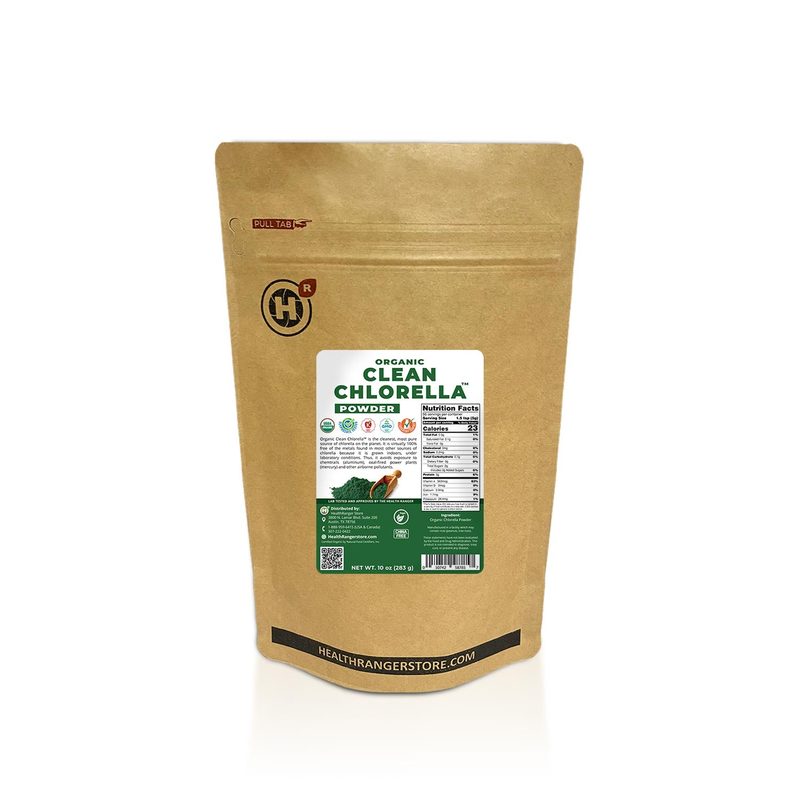
What chlorella is
Chlorella is an algae, and it is also described as a type of microalgae and as a type of micro-algae.[1][2][3] These descriptions place chlorella among the very small algae rather than among larger seaweeds or other water plants.[1][2][3] Chlorella is a natural chelator, a property noted alongside its identity as an algae and a microalgae.[1][4][2][3] The facts describe chlorella in these terms and do not set out any further detail about where it grows or how it is harvested.[1][4][2][3]
What chlorella contains
Chlorella contains vitamin C, and it also contains chlorophyll and beta-carotene.[5][6][7] Alongside these, chlorella is a source of protein.[8] The vitamin C, chlorophyll and beta-carotene are listed as things chlorella contains, and the protein is listed as something chlorella is a source of.[5][6][7][8] Chlorophyll is one of the substances named among the contents of chlorella, together with beta-carotene and vitamin C.[5][6][7] Protein is named separately as a component for which chlorella is a source.[8] These are the contents and the source role that the facts record for chlorella, and no amounts or proportions are given.[5][6][7][8]
Chlorella as an ingredient
Chlorella is an algae, a type of microalgae, and a type of micro-algae, and it is a natural chelator.[1][4][2][3] It contains vitamin C, chlorophyll and beta-carotene, and it is a source of protein.[5][6][7][8] The facts describe chlorella by these identities and by these contents, and they do not describe a taste, a texture or a colour for it.[1][4][2][3][5][6][7][8] They also do not describe how chlorella is grown, how it is made into a usable form, or how it is used in the kitchen.[1][4][2][3][5][6][7][8] What the facts set out is that chlorella is an algae and a microalgae, that it is a natural chelator, and that it contains vitamin C, chlorophyll and beta-carotene while being a source of protein.[1][4][2][3][5][6][7][8]