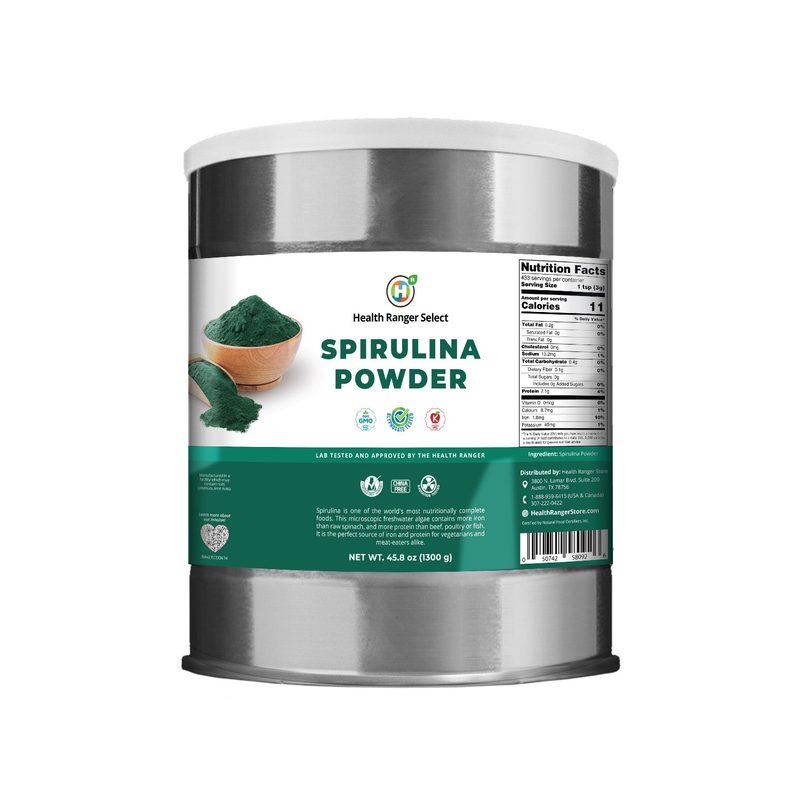
What spirulina is
Spirulina is a type of blue-green algae that is also described as a microalgae.[1][2] It is classified as a type of micro-algae and as a type of cyanobacteria.[3][4] Spirulina is a complete protein, and it contains chlorophyll.[5][6] It is a source of iron and contains phycocyanin.[7][8] Spirulina also contains gamma-linolenic acid.[9] These facts describe spirulina as a microscopic, blue-green organism with a protein content and several other components.[1][5][6][7][8][9]
How it is grown and used
Spirulina is a microalgae that is grown and harvested as a food ingredient.[2] As a blue-green algae, it is used in the kitchen in its dried or processed form.[1] Spirulina is a complete protein, which means it supplies protein as part of its composition.[5] It contains chlorophyll, phycocyanin and gamma-linolenic acid, and it is a source of iron.[6][7][8][9] In cooking, spirulina is added to foods and drinks for its color and its nutrient content.[1][6][7] The ingredient is a type of cyanobacteria, and it is also described as a type of micro-algae.[3][4]
Composition and character
Spirulina is a type of blue-green algae and a type of microalgae, and it is also called a type of micro-algae.[1][2][3] It is a type of cyanobacteria as well.[4] Spirulina is a complete protein and contains chlorophyll.[5][6] Spirulina contains gamma-linolenic acid.[9] These components are part of what spirulina contains, and they are stated here as facts about the ingredient itself.[5][6][7][8][9]