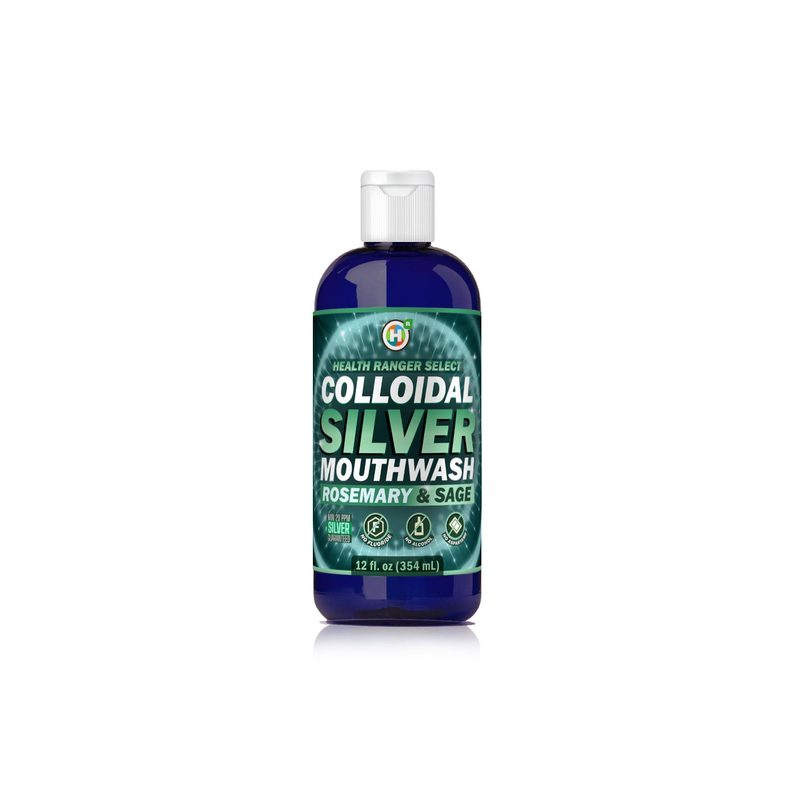
Colloidal silver and its content
Colloidal silver contains nanoparticles of silver, which is the material the preparation is built around.[1] Colloidal silver produced via the described method contains 750 ppb of zinc, a figure given for that particular method.[2] The same colloidal silver produced via the described method contains 399 ppb of iron.[3] Colloidal silver produced via the described method also contains 229 ppb of magnesium.[4] These three mineral figures are stated together for silver made by the described method, and each is reported in parts per billion.[2][3][4] The facts describe colloidal silver as containing silver nanoparticles and as carrying zinc, iron and magnesium at the stated levels when made by the described method.[2][3][4][1]
Rosemary as a herb
Rosemary is a herb, and it contains rosmarinic acid as one of its components.[5][6] Rosemary contains antioxidants, which are listed among the things the herb contains.[7] Rosemary contains camphor, and it also contains calcium.[8][9] These components are stated for rosemary as a herb, alongside rosmarinic acid and antioxidants.[5][6][7][8][9] The facts list rosemary's contents as rosmarinic acid, antioxidants, camphor and calcium, without giving amounts for any of them.[6][7][8][9]
Sage as a herb
Sage is a herb, and it contains thujone as a stated component.[10][11] The facts describe sage as a herb and name thujone among what it contains, without giving an amount.[10][11] Rosemary and sage are both described as herbs, and each is listed with its own set of contents.[5][6][7][8][9][10][11] Rosemary is a herb containing rosmarinic acid, antioxidants, camphor and calcium, while sage is a herb containing thujone.[5][6][7][8][9][10][11] The three ingredients are set out separately in the facts: colloidal silver with its nanoparticles and mineral figures, rosemary with its listed contents, and sage with thujone.[2][3][4][1][5][6][7][8][9][10][11]