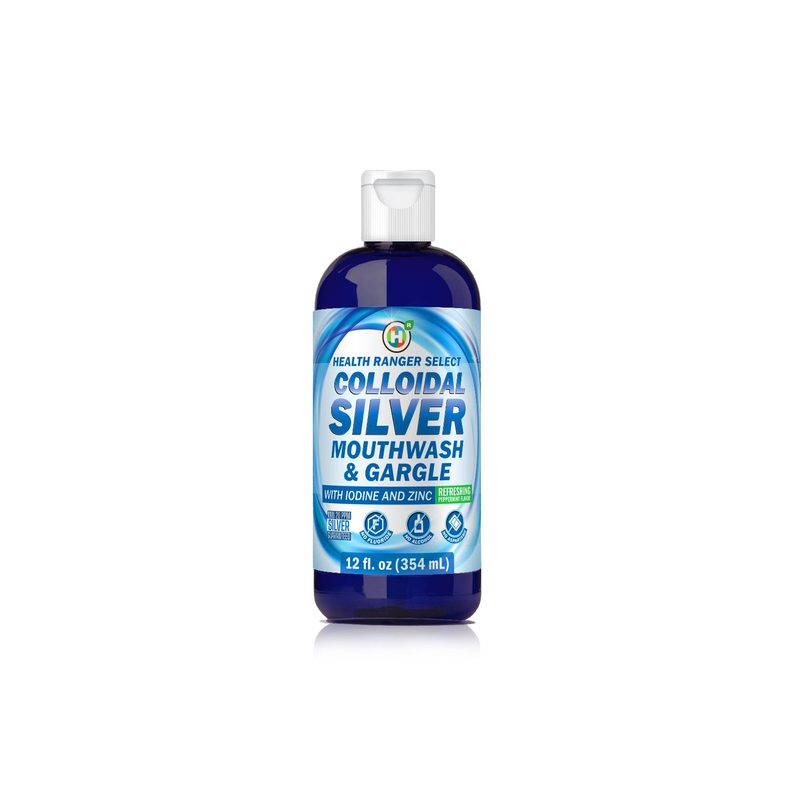
Colloidal silver and its content
Colloidal silver contains nanoparticles of silver, which places it among materials defined by the presence of very small silver particles.[1] Colloidal silver produced via the described method contains 750 ppb of zinc, a level reported alongside the other trace elements measured in the same material.[2] The same colloidal silver produced via the described method contains 399 ppb of iron, another of the trace elements listed in the reported composition.[3] Colloidal silver produced via the described method also contains 229 ppb of magnesium, which completes the set of trace elements given for that material.[4] These figures describe the zinc, iron and magnesium content of colloidal silver made by the described method, and they are stated in parts per billion.[2][3][4]
Iodine as a mineral and nutrient
Iodine is a mineral and is also described as a nutrient, and it is classed as an essential trace element.[5][6][7] Iodine is an essential component of thyroid hormones, which is one reason it is described as essential.[8] Seaweed contains enormous amounts of iodine, making it a notable source of the element among foods.[9] Iodine is generally found in foods grown near or in the sea, which links its presence in food to coastal growing conditions.[10] Iodine is added to salt to compensate for its lack in foods grown on deficient soils, a practice that addresses low iodine in those soils.[11] Many Americans suffer from iodine deficiency partly because of iodine deficiencies in the soils where food is grown, according to the facts given.[12]
Zinc as a mineral
Zinc is a mineral, and it appears among the trace elements reported in colloidal silver produced via the described method.[13][2] The zinc content reported for that colloidal silver is 750 ppb, a figure given together with the iron and magnesium levels of the same material.[2][3][4] Zinc is therefore described in these facts both as a mineral in its own right and as a component measured in colloidal silver.[13][2]