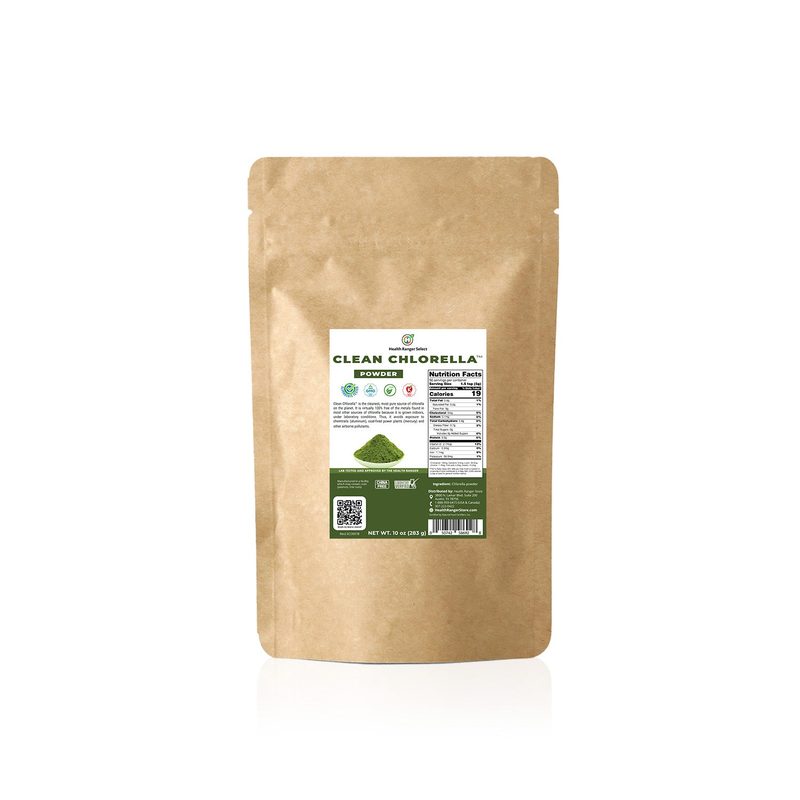
What chlorella is
Chlorella is an algae, and it is also described as a type of microalgae and as a type of micro-algae.[1][2][3] These descriptions place chlorella among the very small algae rather than among larger seaweeds or other water plants.[1][2][3] Chlorella contains chlorophyll, the green pigment that is named in the facts as one of its components.[4] Chlorella also contains beta-carotene, which is listed among the things it contains.[5] Vitamin C is another component that chlorella contains.[6] Chlorella is a source of protein, and the facts list protein as one of the things it provides.[7] Chlorella is a natural chelator, a property that the facts state directly about the ingredient.[8] Taken together, the facts describe chlorella as a microalga that contains chlorophyll, beta-carotene and vitamin C, is a source of protein, and is a natural chelator.[1][8][2][3][6][4][5][7]
Components and properties
The facts about chlorella's composition are few and specific, and they name chlorophyll, beta-carotene and vitamin C as things that chlorella contains.[6][4][5] Protein is named separately, with chlorella described as a source of protein rather than as containing a stated amount.[7] The chelating property is stated as a characteristic of chlorella itself, and the facts call it a natural chelator.[8] The facts do not give quantities, percentages or serving sizes for any of these components, and they do not describe how the components vary between samples.[6][4][5][7] They also do not describe the color, taste, smell or texture of chlorella, and they do not describe how it is grown, harvested, dried or prepared.[1][2][3] What the facts do establish is that chlorella is an algae and a type of microalgae, that it contains chlorophyll, beta-carotene and vitamin C, that it is a source of protein, and that it is a natural chelator.[1][8][2][3][6][4][5][7]